
The Anatomy of
Perception.
Your brain has just received a signal from a trigger. Now, it must filter that data. Perception is the rapid, invisible process of checking current events against your past memories to decide if you are safe, or in immediate danger.
The Outer Shell: Your Conscious Mind
The outer layer of your brain is where you process sensory data and form your identity. It is divided into four main zones.
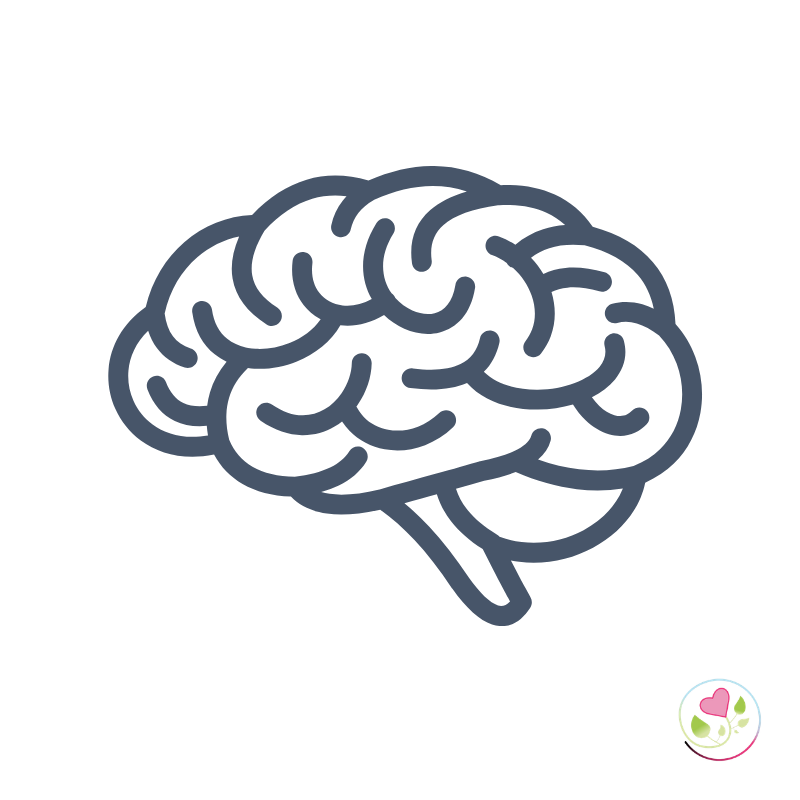

Frontal Lobe
The Logical Self. This is where your personality, reasoning, and decision-making live. It tries to evaluate information calmly and make rational choices.

Parietal Lobe
The Sensor of Touch. Linked to physical sensations. If you feel tension in the room or physically touch something sharp, this processes the reality and commands your reaction.

Temporal Lobe
The Auditory Filter. Linked to hearing and language. How you interpret the tone of someone's voice heavily influences your mood, acting as a crucial filter for your reality.

Occipital Lobe
The Visual Processor. Sight is our primary human sense. This analyzes your surroundings, allowing the rest of the brain to decide if an environment is safe or threatening.
The Deep Engine
Beneath your conscious thoughts lies the deep brain—the ancient hardware responsible for survival, emotion, and hormonal control.
Thalamus
The Router. It acts like a switchboard, taking in what you see, hear, and touch, and rapidly sending that data to the correct parts of the brain.
Hypothalamus
The Thermostat. The starting point of your hormonal system. It controls whether your body feels rested and calm, or goes into full-blown panic mode.
Hippocampus
The Memory Archive. Your long-term memory center. Before you react, your brain quickly checks here to see if a similar situation hurt you in the past.
Amygdala
The Threat Detector. This is where your basic survival emotions (fear, panic, anxiety) live. It sounds the alarm if it senses any sign of danger.
How Your Machine
Operates.
Select a scenario below. Discover the exact biological hardware responsible for your overwhelming feelings and reactions.



The Biological Consequence.
If your brain's filter decides you are in danger, it immediately commands your body to prepare for a physical attack. Proceed to Step 3 to see the chemical cascade of Stress.
Step 03: Anatomy of Stress