
The Anatomy of
Stress.
Your brain's filter has identified a threat. Now, your body executes a flawless biological process designed to keep you alive in a physical emergency. This is the chemical cascade of stress—and it's the exact reason why anxiety feels so physically exhausting.
The Organs of Survival
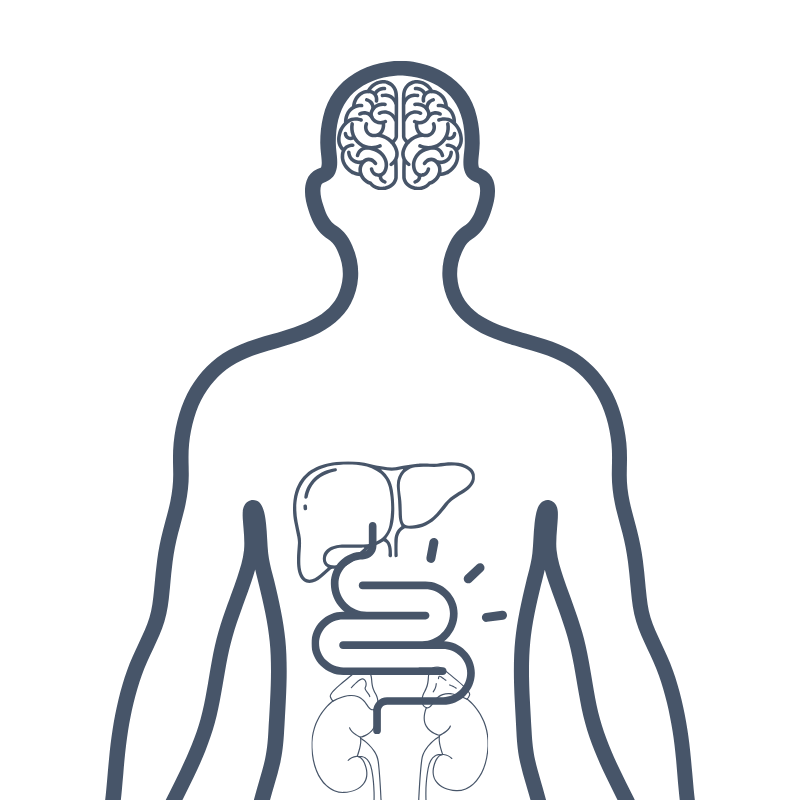
Before we observe the full chemical cascade, you must understand the specific role each organ plays when your brain orders the body into panic mode.
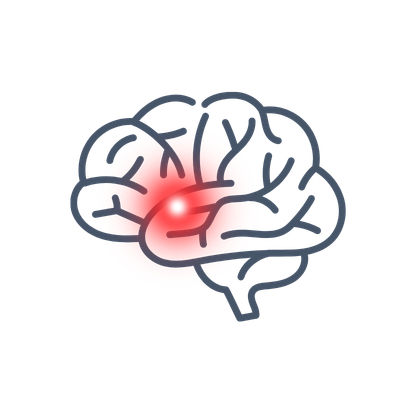
The Hypothalamus
The Alarm Trigger. Located deep in the brain, it acts as the master commander. It releases a hormone (CRH) to initiate the survival sequence.
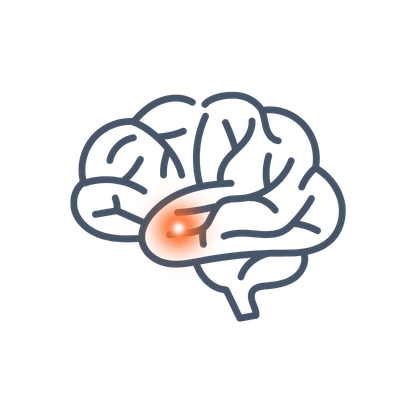
The Pituitary Gland
The Dispatcher. Receives the initial alarm and instantly sends a messenger (ACTH) into your bloodstream, telling the rest of your body to prepare for an emergency.
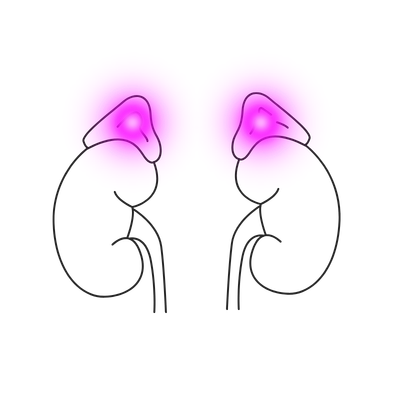
The Adrenal Glands
The Chemical Factories. Sitting on top of your kidneys, these glands receive the signal. They immediately manufacture and pump Cortisol and Adrenaline directly into your system.
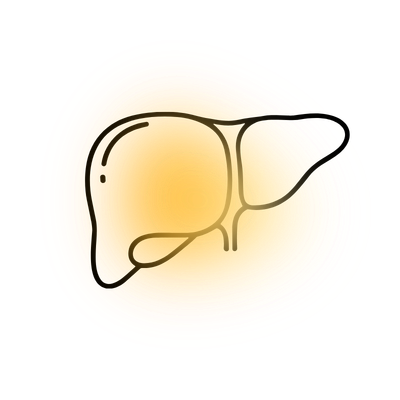
The Liver
The Fuel Depot. Under stress, your muscles need immediate energy to run or fight. Cortisol forces the liver to rapidly manufacture and dump raw glucose (sugar) into your bloodstream.

The Intestines (Gut)
The Sacrificed System. Digestion is non-essential during a crisis. Stress immediately diverts blood flow away from the gut, slowing digestion and causing the stomach discomfort you feel when anxious.
Decode The Cortisol
Cascade.
Select a question below. We will break down exactly how a psychological worry triggers a full-body physical reaction.




The Biological Sensation.
Stress is a chemical reality, but you experience it entirely as an emotion. Proceed to Step 4 to decode how your biological state creates your feelings and ultimately drives your actions.
Step 04: Anatomy of Emotion