
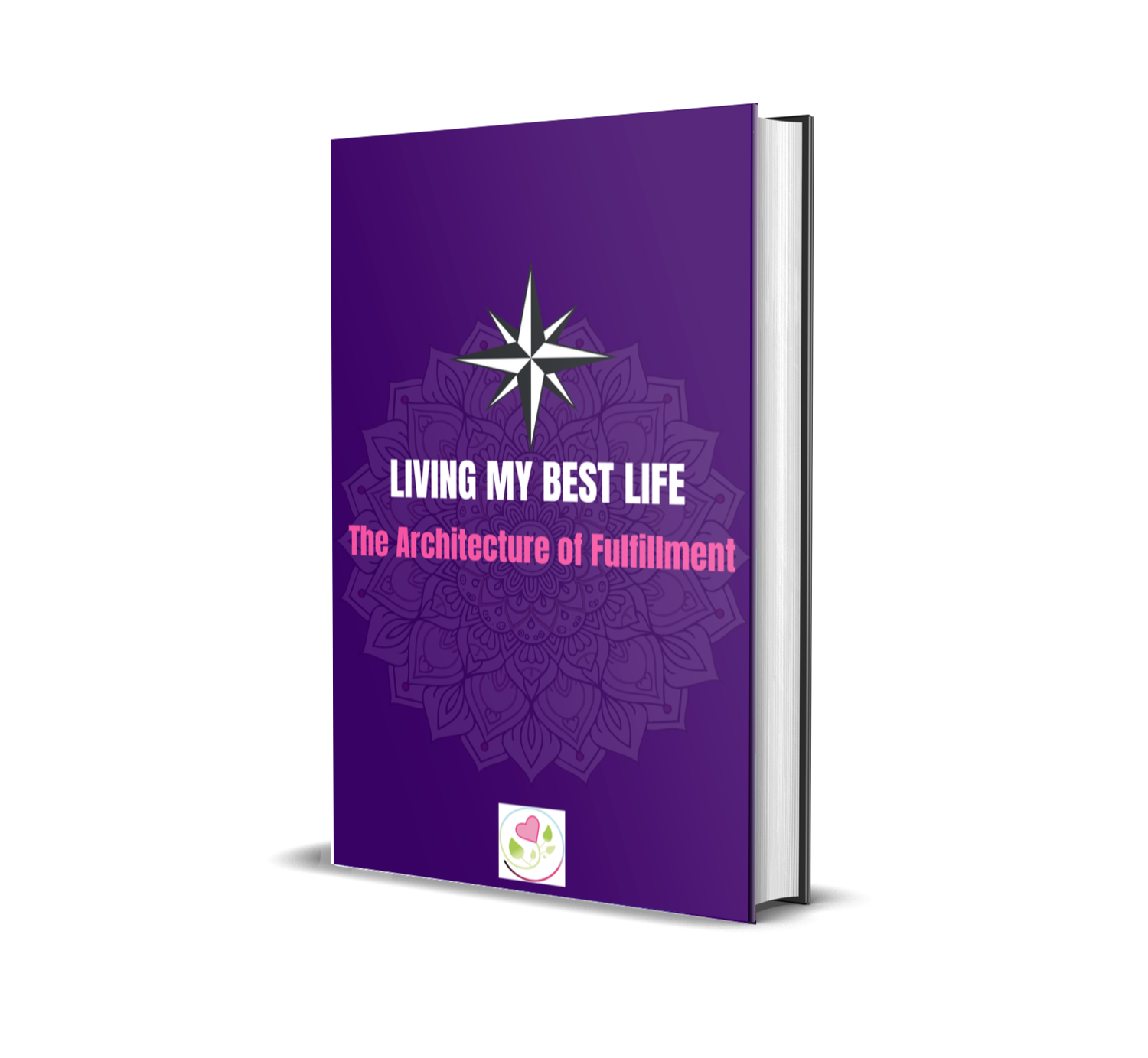
 Level 03 // Course 3.1
Living My
Best Life.
The flagship integration syllabus. Unify technical behavioral understanding with deep subconscious habit transformations to achieve permanent, systemic stability.
The Systemic Logic Foundation.
This course serves as the philosophical and scientific cornerstone of Planeta Vida. It provides the core principles that connect the Mind, Metabolism, and Nervous System—moving you from fragmented, temporary fixes into a unified architecture of living.
Life Energies
Foundations of Systemic Stability
Breathing Logic
4 Golden Rules (Nose, Deep, Slow, Less) to maximize oxygen absorption and energy efficiency.
Water Logic
Water as the electrical conductor and solvent; risks of mineral depletion vs. structured water in whole foods.
Feasting & Fasting
The 4 stages of feasting (Ingestion to Excretion) and overcoming addictive habits to enable effective fasting.
The Inner Logic Decoder
Mind, Memory & Emotion
Memory's Role
Distinguishing between mental archives (memories) and present reality; avoiding rumination of the Past/Future.
Identity Filter
How identity strictly shapes the interpretation of events and incoming sensory data.
Fixed vs. Mental Memory
Defining Physical (DNA/Ancestral) memory versus changeable Mental Memory (Experiences/Learning).
Hormesis & The Elements
Systemic Resilience and Neurogenesis
Hormetic Effect
Controlled stress (Cold) for Immune Boost, Autophagy, Insulin Sensitivity, and Brown Fat activation.
Neurogenesis & Cortisol
Exposure triggers neuron regrowth; increases Noradrenaline/Endorphins to lower Anxiety and Cortisol levels.
Grounding & Earthing
Reducing systemic inflammation by neutralizing free radicals; stimulating the brain's baseline balance system.
Metabolism & Homeostasis
The Systemic Engine
The Energy Journey
Tracking metabolic energy from ingestion through Organ Systems, Tissues, and finally to the Cells.
Steady State Logic
Explains the exact Feedback Loop mechanism used by the body to adapt to temperature, stress, and demands.
11 Systems & ATP
Overview of the 11 major systems and their universal requirement for ATP derived from clean metabolism.
Nervous System & Perception
The Communication Network
Sensory Limits
Exploration of receptor types and physical sensitivity limits (Inaudible sounds, Invisible light).
Perception Logic
How the brain uses Memory, Past Experience, and Identity to interpret raw sensory data and create reality.
Somatic vs. Autonomic
The 'Voluntary' response (SNS) vs. the 'Involuntary' response (ANS: Fight/Flight vs. Rest/Digest).
Circadian Rhythm
The Modern Lifestyle Dilemma
Rhythm Disruption
Effects of shift work, stimulants, and late-night eating on the 90-minute sleep cycle and physical synchronization.
Systemic Consequences
Detailed breakdown of impact on the Body (Metabolic disease) and Brain (ADHD, Depression, Emotional Imbalance).
Synchronization
Strategies for optimizing the rhythm, including rigid meal timing, timed sunlight exposure, and light avoidance before sleep.
Food, ATP & Nutrition
The Logic of Systemic Fuel
ATP and Survival
ATP is the cell's energy currency. If production halts, all cells die within 18 seconds. Synthesized from glucose and oxygen.
Macronutrient Logic
Ideal ratios for human stability: 70% Plant-Based, 25% Protein, 5% Healthy Fats. Explained via Catabolism and Anabolism.
Water & Micronutrients
Water as the primary solvent. Micronutrients (Vitamins/Minerals) as the 'glue' enabling processes, including oxygen transport.
The Digestive System
The Engine of Well-being
Phases of Digestion
Step-by-step mechanical function breakdown (Ingestion -> Excretion).
Accessory Organ Function
Roles of Liver (Bile production), Gallbladder (Storage), and Pancreas (Enzyme/Hormone release, pH regulation).
Absorption Logic
Where key nutrients are absorbed and the importance of Villi in the small intestine.
Enteric Nervous System
Food is for Life
ENS Autonomy
The ENS detects change via Stretch and Chemoreceptors and independently regulates Peristalsis, Digestion, Assimilation, and Excretion.
Neurochemical Production
The ENS produces key messengers: Serotonin ('feel-good' chemical), Dopamine, and Melatonin, linking your biological diet directly to cognitive mood and motivation.
Curriculum Audit Complete.
This completes the Level 03.1 syllabus breakdown. To deploy this foundational integration course for your students or organization, return to the master prospectus.
Return to Operational Prospectus